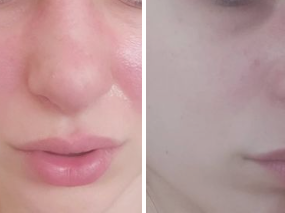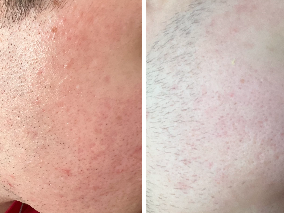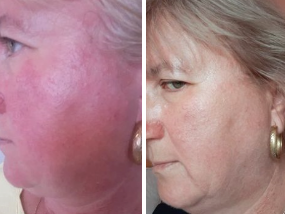
Dr. Temelkova, Dermatologist, Ministry of Interior Hospital – Sofia
Rosacea is a skin condition associated with disturbances in the microbiome. Clinical studies show that a large percentage of patients with rosacea have an imbalance in their gut microbiome and, most commonly, the presence of Helicobacter pylori. Furthermore, when the skin microbiome develops in an unfavorable environment, pathogenic bacteria become more active and cause redness and a burning sensation on the skin.
Probio Sensitive Mist and Probio Redness Recovery Cream help rebuild the damaged protective barrier and strengthen the walls of the capillaries. These are 100% natural products that contain no parabens, sulfates, alcohol, allergens, or fragrance.
Dietary changes may play a role in the treatment of rosacea. Certain foods and beverages can act as “triggers” that worsen rosacea. These can be categorized as heat-related, alcohol-related, capsaicin-related, and others. Epidemiological studies show that patients with rosacea have a higher prevalence of gastrointestinal disorders. Although further research is needed in this area, patients should be advised to maintain a healthy gut microbiome, including consuming a high-fiber (prebiotic) diet. A diet high in sugar and fat and low in fiber has been shown to be linked to an increased risk of acne due to reduced levels of Lactobacillus and Bifidobacterium. These are beneficial bacteria that create an environment with normal acidity, suppress the growth of pathogens, and contribute to the body’s immune response.
L. salivarius LS03 exhibits significant inhibitory activity against P. acnes. This antagonistic activity is primarily attributed to the LS03 strain’s ability to secrete bacteriocins against P. acnes. Regarding the IL-8 assay, three different strains of L. salivarius are capable of inhibiting the release of this chemokine by 10% to 25%. It is on this basis that the new Derma Probiotic was developed, containing 2.5 billion live bacteria of this strain in each capsule, which combat pathogens to promote clear skin and a balanced microbiome.
It has been established that the growth of Helicobacter pylori and Demodex folliculorum is often associated with rosacea and demodicosis, which requires anti-pathogenic protection.Atopi Probioticrestores intestinal balance through targeted action against pathogenic bacteria. At the same time, it reduces transepidermal water loss in the skin without any unwanted side effects.Lactobacillus salivarius LS01, 2.5 billion CFU,has beenclinicallyproven to significantly inhibit the growth of opportunistic bacteria after 3 months of use. Bifidobacterium breve BR03, 2.5 billion CFU, protectsthe skin from photoaging, UV radiation, and transepidermal water loss. The product has documented clinical cases of recovery from rosacea of the scalp and skin.
I recommend Snowborn's rosacea therapy as a new and safe approach to treating rosacea and couperose.